



How to choose Between Geogrid and Geocells?
When it comes to soil stabilization, erosion control, and reinforcement in civil engineering projects, both geogrids and geocells are popular choices. While they serve similar purposes, each offers unique advantages and is suited to different applications. Understanding the differences between these two geosynthetics can help you make an informed decision for your specific project needs.
Geogrids: Overview and Benefits
Geogrids are a type of geosynthetic material made from polymeric materials, such as polyester or polypropylene, which are formed into a grid-like structure. They are primarily used for soil reinforcement and load distribution.
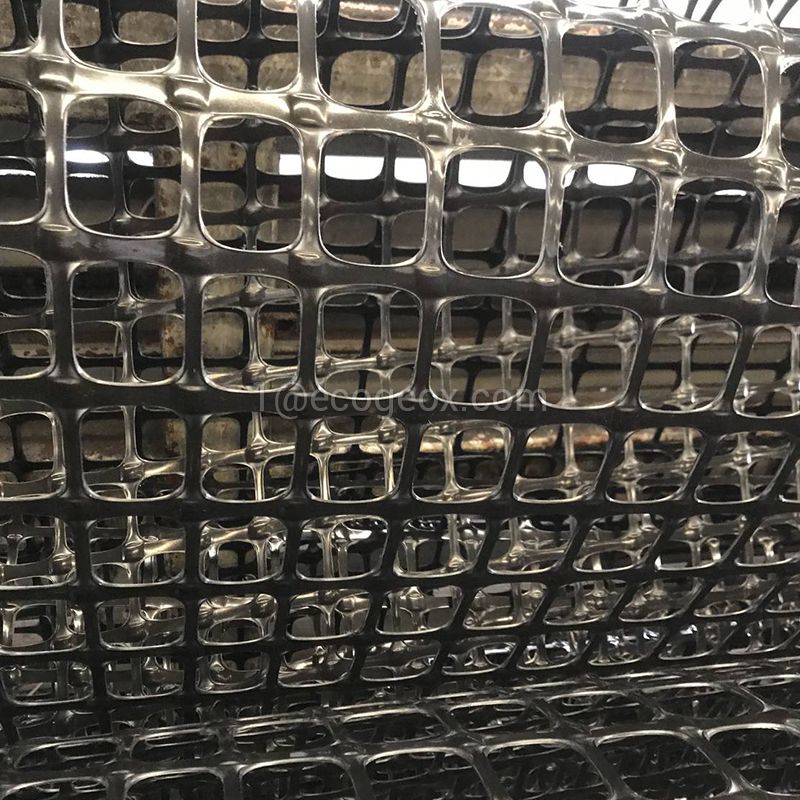
Benefits of Geogrids:
Strength and Stability: Geogrids provide excellent tensile strength, which helps in distributing loads across a broader area. This makes them ideal for applications such as reinforcing embankments, retaining walls, and base courses in road construction.
Improved Load Bearing Capacity: By distributing loads evenly, geogrids enhance the load-bearing capacity of the soil. This is particularly beneficial in areas with poor soil conditions or where heavy loads are expected.
Cost-Effective: The use of geogrids can reduce the need for additional materials, such as gravel or aggregate, thereby lowering overall project costs. They also help in reducing maintenance and repair costs over time.
Versatility: Geogrids can be used in various applications, including roadways, slopes, embankments, and retaining walls. Their versatility makes them a popular choice for many civil engineering projects.
Geocells: Overview and Benefits
Geocells are three-dimensional, honeycomb-like structures made from polymeric materials. They are used to confine and stabilize soil, aggregate, or other materials to enhance strength and prevent erosion.
Benefits of Geocells:
Erosion Control: Geocells are highly effective in controlling erosion, particularly in areas prone to high water flow or heavy rainfall. By confining soil or aggregate within the cells, they prevent surface erosion and reduce the impact of runoff.
Additional resources:
Custom UV-Printed Resin Panels: Transform Your Space Today!
Top 5 Benefits of Choosing the Right Coal Mine Support Mesh
Top Titanium Carbide Insert Manufacturers to Know
Top Custom Black Binding Wire Manufacturers: Quality and Selection Guide
Top Acrylic Panels Supplier in Australia: Quality & Value Guide
Unlocking 20.3 Mm 19-Wire Strand: Key Uses and Benefits
Is High R-Value Phenolic Decorative Insulation Worth the Investment for Your Walls?Enhanced Load Distribution: Similar to geogrids, geocells distribute loads evenly across a wider area. However, their three-dimensional structure offers superior performance in spreading loads and reducing settlement, making them ideal for applications like load support on weak soils.
Flexibility and Adaptability: Geocells can be easily adapted to various site conditions. They can be filled with different materials, such as soil, gravel, or concrete, depending on the specific requirements of the project.
Environmental Benefits: Geocells contribute to environmental sustainability by reducing the need for traditional construction materials. They also enhance vegetation growth by providing a stable substrate for plant roots.
Choosing Between Geogrids and Geocells
When deciding between geogrids and geocells, consider the following factors:
Project Requirements: Assess the specific needs of your project. Geogrids are ideal for reinforcing soil and distributing loads, while geocells are better suited for erosion control and load support on weak soils.
Soil Conditions: Evaluate the soil conditions at the site. Geogrids are effective in areas with good soil conditions where reinforcement is required, while geocells are more suitable for weak or unstable soils that need additional stabilization.
Load and Erosion Control Needs: Determine the primary objective of the application. If load distribution and soil reinforcement are the main goals, geogrids may be the better choice. For projects focused on erosion control and load support in challenging conditions, geocells offer superior performance.
Cost and Maintenance: Consider the overall costs and maintenance requirements. Geogrids may offer a more cost-effective solution for load reinforcement, while geocells provide long-term erosion control and environmental benefits.
Conclusion
Both geogrids and geocells play crucial roles in modern civil engineering and construction projects. The choice between the two depends on the specific requirements of your project, including soil conditions, load distribution needs, and erosion control objectives. By carefully evaluating these factors, you can select the most appropriate solution to ensure the success and durability of your project.
Additional resources:High-Quality Galvanized Reinforcement Mesh vs Standard Options: Key Differences
How to Choose Engineering Welded Mesh Panels Effectively?
What Factors Should Determine Your Reinforcement Wire Mesh Purchase?
Is Your Concrete Reinforcement Mesh from China Adding Value or Causing Issues?
What is Concrete Reinforcing Mesh and Why Use It?
Essential Guide to Trench Mesh for Foundation Construction
How Does Reinforcing Mesh Strengthen Concrete Structures?